Southwest Florida is not a monolith. The architectural styles, community rules, and infrastructure vary wildly from city to city. When a trauma event or severe contamination occurs, a local biohazard cleanup company in Fort Myers cannot apply a "one-size-fits-all" approach to remediation.
Short Answer: Biohazard cleanup varies by location due to architectural differences. Fort Myers requires careful handling of historic, porous materials, Cape Coral involves navigating extensive canal-side properties and septic issues, while Naples and Bonita Springs demand strict adherence to high-end HOA regulations and discreet operations.
If you manage properties across Lee and Collier counties, understanding these regional differences is vital for a smooth, legally compliant cleanup. Here is a breakdown of how our remediation strategies shift depending on the SWFL community.
Fort Myers: Preserving History Amidst Tragedy
Fort Myers, particularly the areas along McGregor Boulevard and the River District, is known for its historic charm. When a trauma cleanup is required in an older home, the primary challenge is the building materials.
Many of these homes feature original Florida Pine floors and lath-and-plaster walls. Unlike modern tile or sealed drywall, these materials are highly porous. If biological fluids seep into 80-year-old wood, standard extraction won't work. Technicians must often meticulously dismantle affected sections of the floor to treat the subfloor, ensuring that the historic integrity of the home is maintained as much as possible while completely eliminating the biohazard.
Cape Coral: Canal-Side Logistics and Septic Challenges
Cape Coral is a sprawling, planned community defined by its hundreds of miles of canals. Biohazard remediation here, especially for sewage backup, presents entirely different logistical challenges.
- Septic Systems: While city utilities have expanded, many Cape Coral homes still rely on septic tanks. When these overflow due to heavy rains, the resulting category 3 black water backup requires aggressive extraction and hospital-grade disinfection to protect the home's interior.
- Tight Lot Lines: The proximity of homes in many Cape Coral neighborhoods means that severe odors from an unattended death can quickly affect neighbors. Rapid, contained odor removal using hydroxyl generators is essential to prevent community complaints.
In tightly packed suburban environments like Cape Coral and Lehigh Acres, creating a negative pressure "clean room" is critical to ensure airborne pathogens and odors are not blown out into neighboring yards.
Naples & Bonita Springs: HOA Compliance and Discretion
Moving south into Bonita Springs and Naples, the landscape shifts heavily toward luxury gated communities, high-rise condos, and stringent Homeowner Associations (HOAs). The primary focus here, beyond clinical decontamination, is absolute discretion.
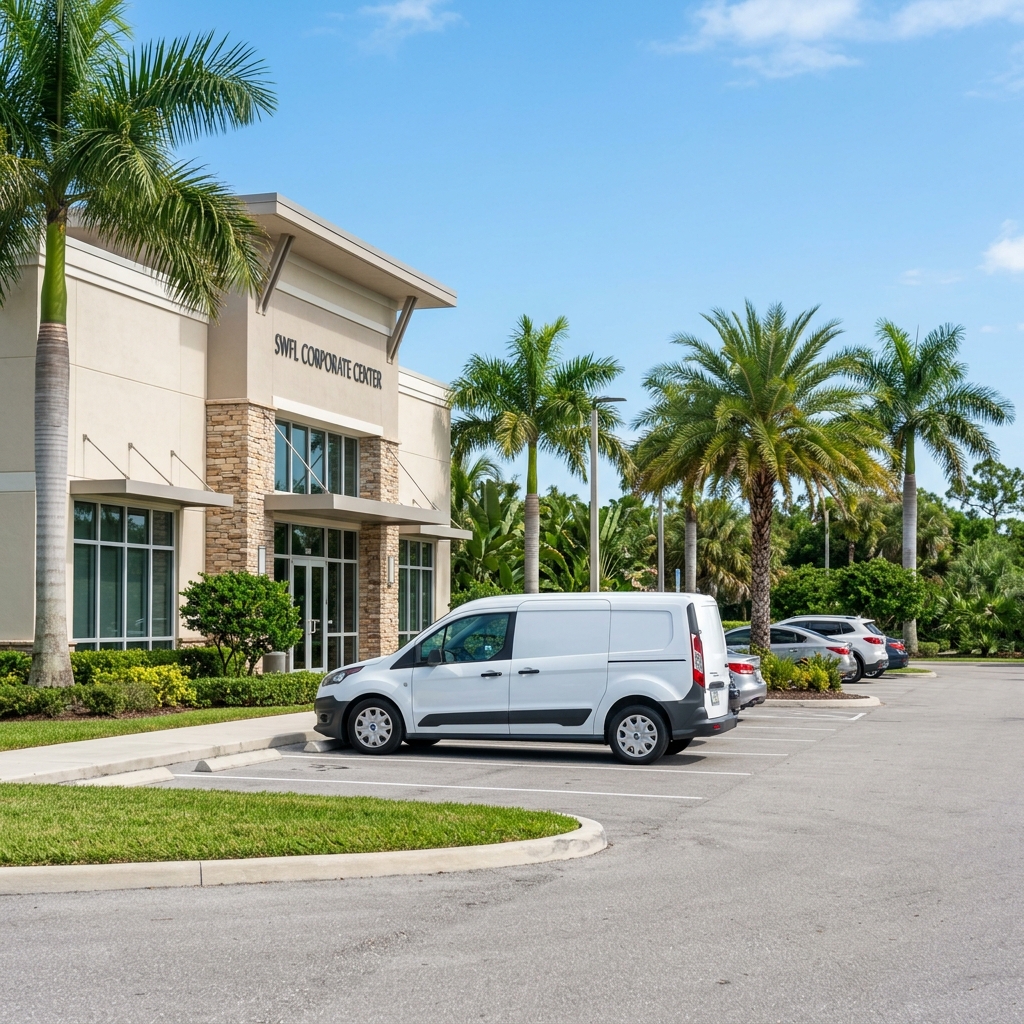
A visible biohazard cleanup or a hoarding cleanup can cause unnecessary alarm among residents and potentially violate strict community bylaws regarding commercial vehicles. To accommodate these areas, professional teams use unmarked vans, wear discreet uniforms while loading equipment, and coordinate directly with property managers to use service elevators, ensuring the cleanup goes entirely unnoticed by the general community.
The "Snowbird" Factor Across SWFL
A unifying challenge across all of Southwest Florida is the seasonal population. Many properties sit vacant for six to eight months of the year. If an incident occurs (such as a squatter break-in resulting in a homeless encampment cleanup inside a vacant home, or a pest-related biohazard), it may go undiscovered for months.
In Florida's closed-up, humid environments, these long-term biohazards dry out, embed deeply into the drywall, and create severe, long-lasting odors that require intensive structural tear-outs before the winter residents return.
If you manage seasonal properties, regular wellness checks or property management walk-throughs during the summer can prevent a minor incident from becoming a major, costly biohazard remediation project.